🎉 Up to 70% Off Selected ItemsShop Sale
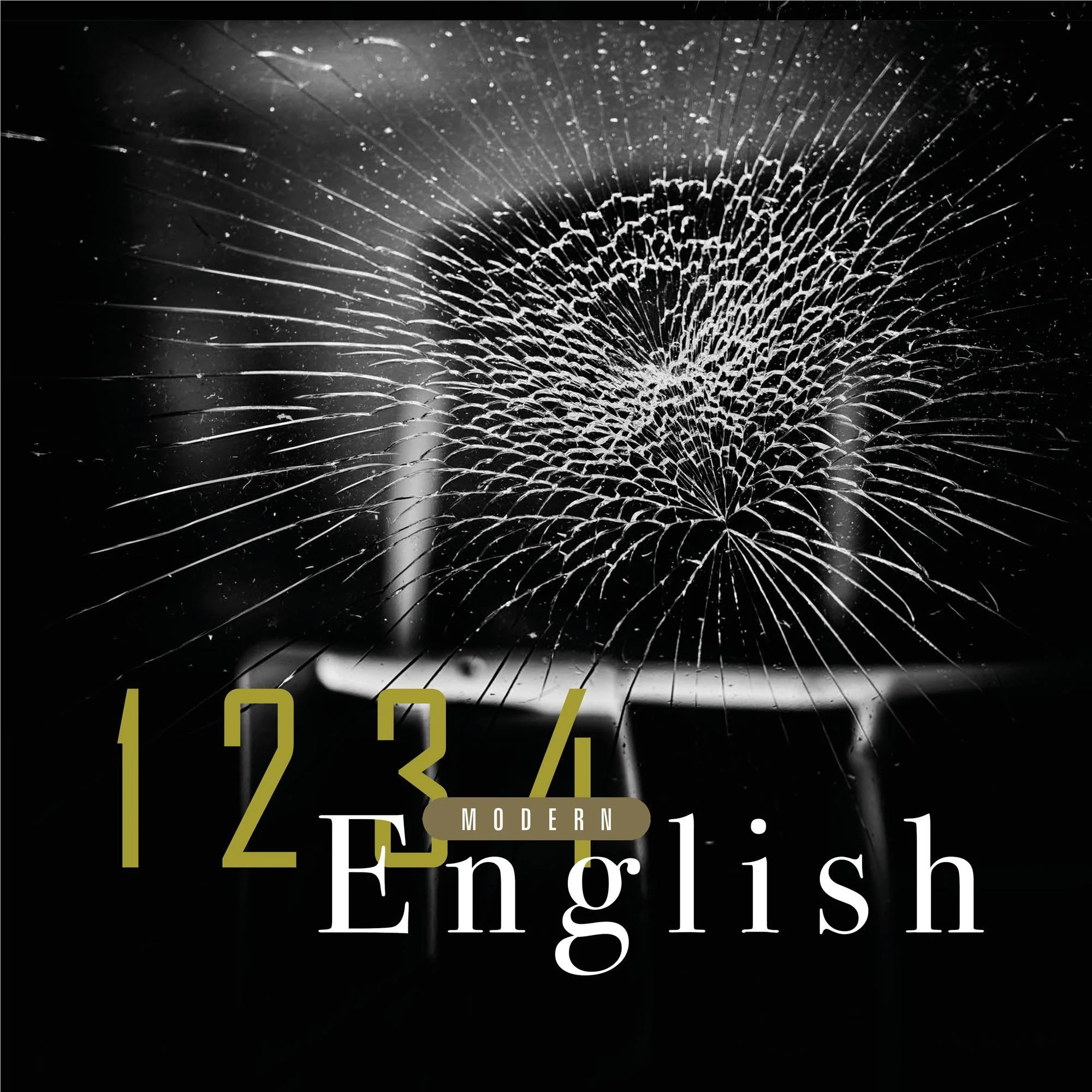
1 2 3 4
Modern English is a paragon of consistency. Formed in Colchester, Essex, England, the band have maintained their same core lineup since 1977: vocalist Robbie Grey, guitarist Gary McDowell, bassist Mick Conroy, and keyboardist Stephen Walker. In recent years, Modern English have become widely respected as post-punk innovators, thanks to younger generations discovering their catalog and new artists citing the band as an influence. This increased popularity has translated to sold-out tours performing their early albums and a main stage appearance at the 2023 Cruel World Festival in front of more than 25,000 people.
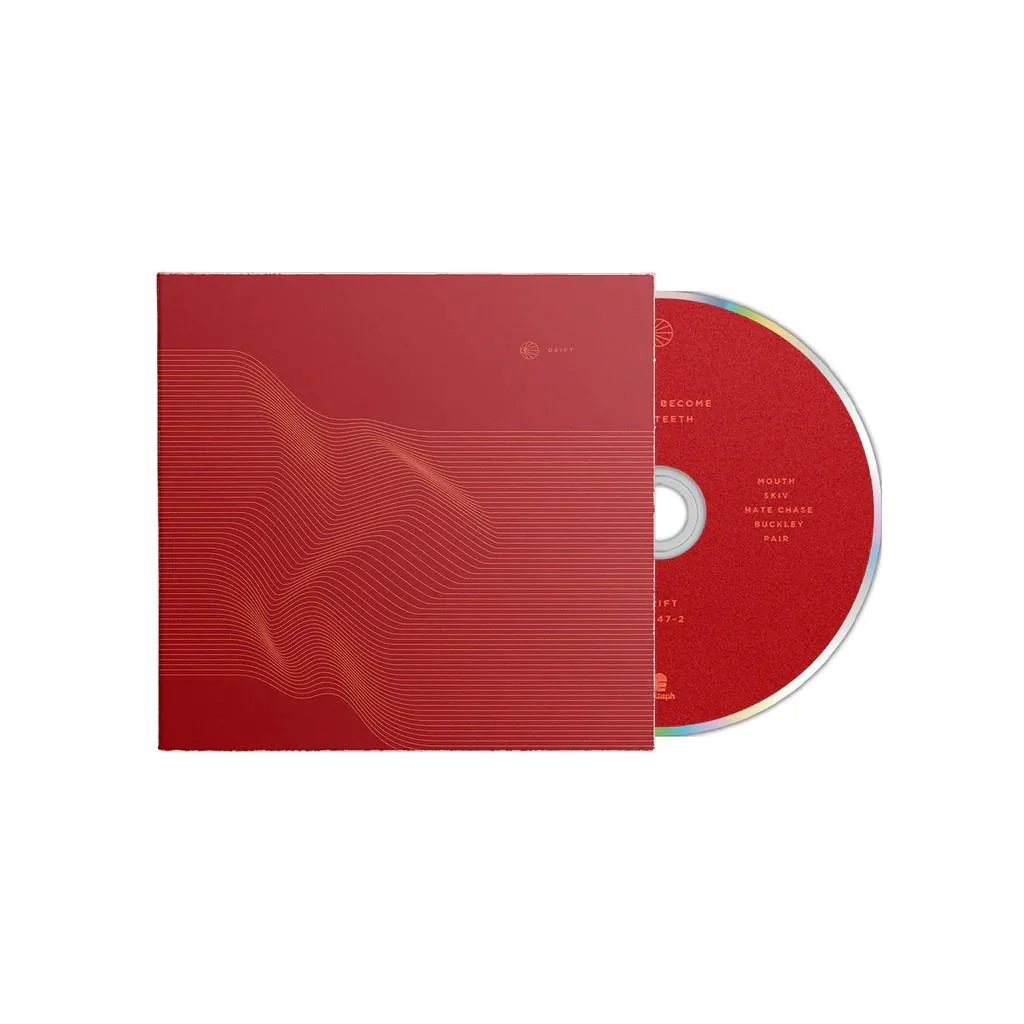
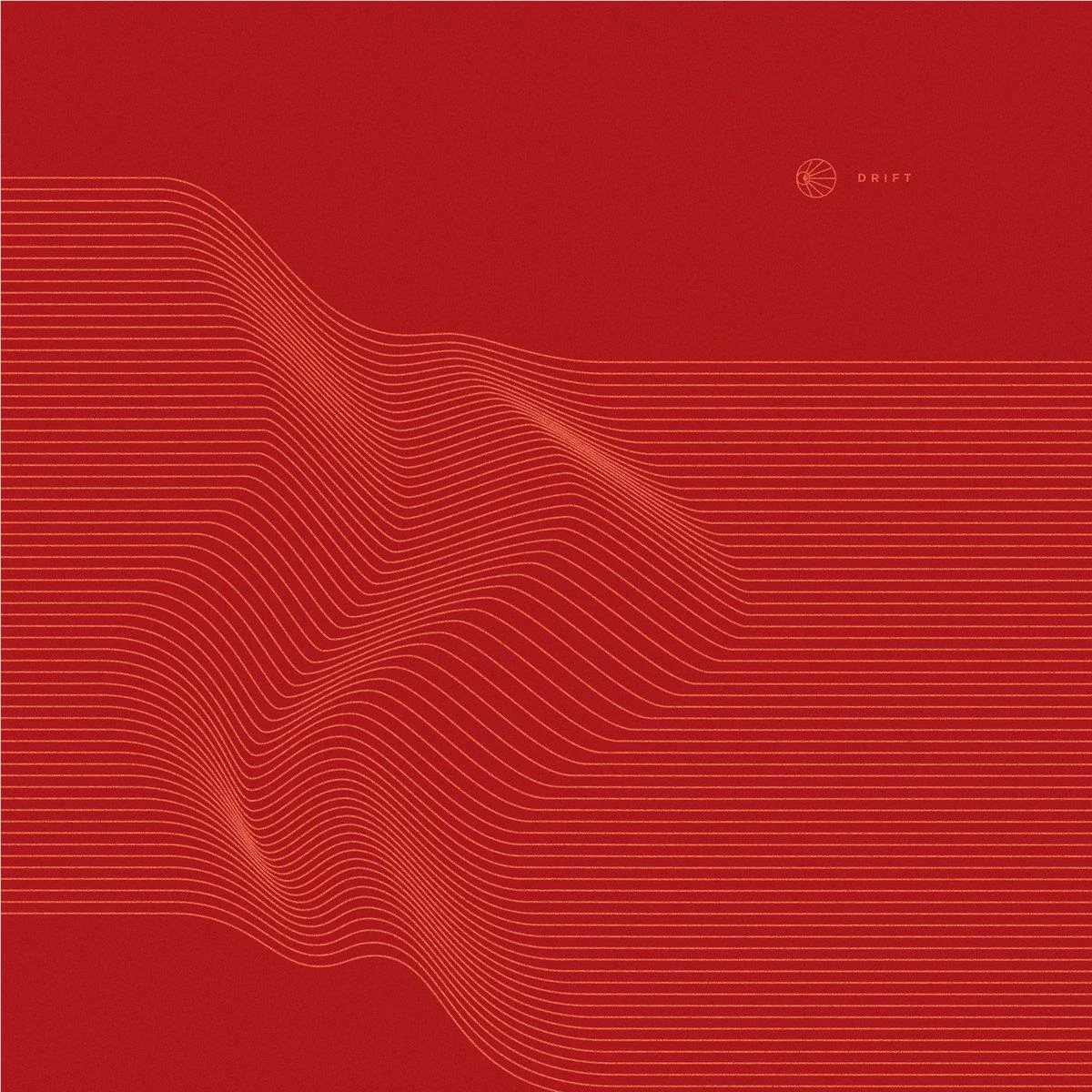
Modern English’s new album, 1 2 3 4 – produced by Mario McNulty (David Bowie, Lou Reed, Nine Inch Nails), mixed by Cenzo Townsend and mastered at Abbey Road – retains the intrinsic spirit of these early, post-punk days and is also a sterling sonic example of what Modern English have always done best. The album encompasses seething songs with punk bite (“Long in The Tooth,” “Plastic”), keyboard-forward melodic rockers ("Not Fake,” "Crazy Lovers") and simmering, darkwave-meets-post-punk gems (“Exploding,” “Out to Lunch”).
The band’s keen sense of dynamics is also evident throughout 1 2 3 4. The album-closing “Voices” is particularly subdued, bolstered by echoing, Doppler-like sound effects and Grey’s somber vocals; the effect falls somewhere between spacey psychedelic rock and tranquil shoegaze. “With Modern English, we start off with an idea and then we go off on slight tangents,” says Conroy. “But there's always one or two songs that don't sound anything like punk rock. They sound like Modern English.”
Conroy and Grey started coming up with the music for 1 2 3 4 during the spring 2020 COVID-
19 pandemic lockdown, swapping ideas back and forth remotely. “We were all bored stiff, because you couldn't do anything,” Grey recalls. “The music started happening really quickly.” Conroy set up a temporary home studio in Suffolk, England, with gear arranged in a tiny kitchen area (“Once I'd set up, that meant you couldn't open the fridge door,” he says) and found himself inspired by the first Siouxsie and the Banshees album and the David Bowie records featuring Mick Ronson.
After some time, having amassed a batch of fresh songs, restrictions loosened enough so Modern English could gather together and go over this new music. The band deliberately went for a “raw-sounding affair” that was “more energetic,” Conroy says, and recorded the album in just a few takes with minimal overdubs in a residential studio in upstate New York. Adds Grey: “We wanted some edge to it—live drums and getting the feel of moving from verse to chorus with everyone playing. It sounds like a live album.”
Grey also says his lyrics on 1 2 3 4 are thematically in line with other Modern English albums. “For me as a lyricist, it's always about personal journeys, or the journey of the band, or just getting pissed off with governments and politicians,” he says. As an example, he cites the pointed “Not My Leader,” inspired by the fact that “it seemed that everybody in charge of the world was completely incompetent,” as he puts it. “I remember first coming to America in the early ’80s. We had Margaret Thatcher and you had Ronald Reagan—and then fast forward to today and Donald Trump and Boris Johnson. It’s the same thing forty years later, really; it’s the same old shit.” Other favorites include “Not Fake” (“I like quoting all the things I don't like,” he says with a laugh) and “Long In the Tooth,” a song about getting older, “It says what it needs to and it gets its message across,” Grey says. “For a lyricist, that's a very important thing.”
Modern English initially emerged in the midst of the UK’s late-’70s post-punk movement; in fact, Grey notes the group’s first concert ever was on a bill with Siouxsie and the Banshees and Adam and the Ants. The band recorded a demo tape and sent it to a few record companies. Beggars Banquet liked what they heard—and Modern English ended up becoming one of the first bands signed to the legendary 4AD label. The band’s 1981 debut album, Mesh & Lace, subsequently has become a post-punk touchstone alongside LPs by Joy Division, Wire, and the Chameleons—a dusky, atmospheric collection rooted in scraping guitar riffs, yearning vocals and dark sonic effects.
“Even though it’s called post-punk now, it didn't really have a name then,” Grey says of that time. “But that was one of the most important times in music, after punk rock, when all the bands in England got bored and were starting to learn to play with effects. The keyboards were all noisy and the guitarists were using lots of pedals. No one was particularly musical, in terms of musicianship, so we were more interested in sound. So that's what you got from Joy Division, The Cure, Gang of Four, Bauhaus, us—whoever they were. It was more textures than songwriting.”
Modern English co-produced their sophomore effort, 1982’s After the Snow, with Hugh Jones (The Sound, Echo & The Bunnymen), pairing trademark moodiness with spiky guitars and shimmering keyboards. In addition to the UK top 40 hit “Life in the Gladhouse," the LP became known for “I Melt With You,” which became a top 10 hit at U.S. rock radio and crossed over to the Billboard Hot 100 pop chart.
It’s been a big journey for everybody, and our early days are really important to us,” Grey summarizes. “We haven't changed that much. We're still the same people inside. And the original members are the sound of the band—Stephen [Walker] on the keyboards, making lots of noises with all his analog synths, and then the sounds made by guitarist Gary [McDowell] or bassist Mick [Conroy]. If you take some of those components away, you won't have the Modern English sound.”
Modern English’s new album, 1 2 3 4 – produced by Mario McNulty (David Bowie, Lou Reed, Nine Inch Nails), mixed by Cenzo Townsend and mastered at Abbey Road – retains the intrinsic spirit of these early, post-punk days and is also a sterling sonic example of what Modern English have always done best. The album encompasses seething songs with punk bite (“Long in The Tooth,” “Plastic”), keyboard-forward melodic rockers ("Not Fake,” "Crazy Lovers") and simmering, darkwave-meets-post-punk gems (“Exploding,” “Out to Lunch”).
The band’s keen sense of dynamics is also evident throughout 1 2 3 4. The album-closing “Voices” is particularly subdued, bolstered by echoing, Doppler-like sound effects and Grey’s somber vocals; the effect falls somewhere between spacey psychedelic rock and tranquil shoegaze. “With Modern English, we start off with an idea and then we go off on slight tangents,” says Conroy. “But there's always one or two songs that don't sound anything like punk rock. They sound like Modern English.”
Conroy and Grey started coming up with the music for 1 2 3 4 during the spring 2020 COVID-
19 pandemic lockdown, swapping ideas back and forth remotely. “We were all bored stiff, because you couldn't do anything,” Grey recalls. “The music started happening really quickly.” Conroy set up a temporary home studio in Suffolk, England, with gear arranged in a tiny kitchen area (“Once I'd set up, that meant you couldn't open the fridge door,” he says) and found himself inspired by the first Siouxsie and the Banshees album and the David Bowie records featuring Mick Ronson.
After some time, having amassed a batch of fresh songs, restrictions loosened enough so Modern English could gather together and go over this new music. The band deliberately went for a “raw-sounding affair” that was “more energetic,” Conroy says, and recorded the album in just a few takes with minimal overdubs in a residential studio in upstate New York. Adds Grey: “We wanted some edge to it—live drums and getting the feel of moving from verse to chorus with everyone playing. It sounds like a live album.”
Grey also says his lyrics on 1 2 3 4 are thematically in line with other Modern English albums. “For me as a lyricist, it's always about personal journeys, or the journey of the band, or just getting pissed off with governments and politicians,” he says. As an example, he cites the pointed “Not My Leader,” inspired by the fact that “it seemed that everybody in charge of the world was completely incompetent,” as he puts it. “I remember first coming to America in the early ’80s. We had Margaret Thatcher and you had Ronald Reagan—and then fast forward to today and Donald Trump and Boris Johnson. It’s the same thing forty years later, really; it’s the same old shit.” Other favorites include “Not Fake” (“I like quoting all the things I don't like,” he says with a laugh) and “Long In the Tooth,” a song about getting older, “It says what it needs to and it gets its message across,” Grey says. “For a lyricist, that's a very important thing.”
Modern English initially emerged in the midst of the UK’s late-’70s post-punk movement; in fact, Grey notes the group’s first concert ever was on a bill with Siouxsie and the Banshees and Adam and the Ants. The band recorded a demo tape and sent it to a few record companies. Beggars Banquet liked what they heard—and Modern English ended up becoming one of the first bands signed to the legendary 4AD label. The band’s 1981 debut album, Mesh & Lace, subsequently has become a post-punk touchstone alongside LPs by Joy Division, Wire, and the Chameleons—a dusky, atmospheric collection rooted in scraping guitar riffs, yearning vocals and dark sonic effects.
“Even though it’s called post-punk now, it didn't really have a name then,” Grey says of that time. “But that was one of the most important times in music, after punk rock, when all the bands in England got bored and were starting to learn to play with effects. The keyboards were all noisy and the guitarists were using lots of pedals. No one was particularly musical, in terms of musicianship, so we were more interested in sound. So that's what you got from Joy Division, The Cure, Gang of Four, Bauhaus, us—whoever they were. It was more textures than songwriting.”
Modern English co-produced their sophomore effort, 1982’s After the Snow, with Hugh Jones (The Sound, Echo & The Bunnymen), pairing trademark moodiness with spiky guitars and shimmering keyboards. In addition to the UK top 40 hit “Life in the Gladhouse," the LP became known for “I Melt With You,” which became a top 10 hit at U.S. rock radio and crossed over to the Billboard Hot 100 pop chart.
It’s been a big journey for everybody, and our early days are really important to us,” Grey summarizes. “We haven't changed that much. We're still the same people inside. And the original members are the sound of the band—Stephen [Walker] on the keyboards, making lots of noises with all his analog synths, and then the sounds made by guitarist Gary [McDowell] or bassist Mick [Conroy]. If you take some of those components away, you won't have the Modern English sound.”
$5.00
Original: $16.66
-70%1 2 3 4—
$16.66
$5.00Product Information
Product Information
Shipping & Returns
Shipping & Returns
Description
Modern English is a paragon of consistency. Formed in Colchester, Essex, England, the band have maintained their same core lineup since 1977: vocalist Robbie Grey, guitarist Gary McDowell, bassist Mick Conroy, and keyboardist Stephen Walker. In recent years, Modern English have become widely respected as post-punk innovators, thanks to younger generations discovering their catalog and new artists citing the band as an influence. This increased popularity has translated to sold-out tours performing their early albums and a main stage appearance at the 2023 Cruel World Festival in front of more than 25,000 people.
Modern English’s new album, 1 2 3 4 – produced by Mario McNulty (David Bowie, Lou Reed, Nine Inch Nails), mixed by Cenzo Townsend and mastered at Abbey Road – retains the intrinsic spirit of these early, post-punk days and is also a sterling sonic example of what Modern English have always done best. The album encompasses seething songs with punk bite (“Long in The Tooth,” “Plastic”), keyboard-forward melodic rockers ("Not Fake,” "Crazy Lovers") and simmering, darkwave-meets-post-punk gems (“Exploding,” “Out to Lunch”).
The band’s keen sense of dynamics is also evident throughout 1 2 3 4. The album-closing “Voices” is particularly subdued, bolstered by echoing, Doppler-like sound effects and Grey’s somber vocals; the effect falls somewhere between spacey psychedelic rock and tranquil shoegaze. “With Modern English, we start off with an idea and then we go off on slight tangents,” says Conroy. “But there's always one or two songs that don't sound anything like punk rock. They sound like Modern English.”
Conroy and Grey started coming up with the music for 1 2 3 4 during the spring 2020 COVID-
19 pandemic lockdown, swapping ideas back and forth remotely. “We were all bored stiff, because you couldn't do anything,” Grey recalls. “The music started happening really quickly.” Conroy set up a temporary home studio in Suffolk, England, with gear arranged in a tiny kitchen area (“Once I'd set up, that meant you couldn't open the fridge door,” he says) and found himself inspired by the first Siouxsie and the Banshees album and the David Bowie records featuring Mick Ronson.
After some time, having amassed a batch of fresh songs, restrictions loosened enough so Modern English could gather together and go over this new music. The band deliberately went for a “raw-sounding affair” that was “more energetic,” Conroy says, and recorded the album in just a few takes with minimal overdubs in a residential studio in upstate New York. Adds Grey: “We wanted some edge to it—live drums and getting the feel of moving from verse to chorus with everyone playing. It sounds like a live album.”
Grey also says his lyrics on 1 2 3 4 are thematically in line with other Modern English albums. “For me as a lyricist, it's always about personal journeys, or the journey of the band, or just getting pissed off with governments and politicians,” he says. As an example, he cites the pointed “Not My Leader,” inspired by the fact that “it seemed that everybody in charge of the world was completely incompetent,” as he puts it. “I remember first coming to America in the early ’80s. We had Margaret Thatcher and you had Ronald Reagan—and then fast forward to today and Donald Trump and Boris Johnson. It’s the same thing forty years later, really; it’s the same old shit.” Other favorites include “Not Fake” (“I like quoting all the things I don't like,” he says with a laugh) and “Long In the Tooth,” a song about getting older, “It says what it needs to and it gets its message across,” Grey says. “For a lyricist, that's a very important thing.”
Modern English initially emerged in the midst of the UK’s late-’70s post-punk movement; in fact, Grey notes the group’s first concert ever was on a bill with Siouxsie and the Banshees and Adam and the Ants. The band recorded a demo tape and sent it to a few record companies. Beggars Banquet liked what they heard—and Modern English ended up becoming one of the first bands signed to the legendary 4AD label. The band’s 1981 debut album, Mesh & Lace, subsequently has become a post-punk touchstone alongside LPs by Joy Division, Wire, and the Chameleons—a dusky, atmospheric collection rooted in scraping guitar riffs, yearning vocals and dark sonic effects.
“Even though it’s called post-punk now, it didn't really have a name then,” Grey says of that time. “But that was one of the most important times in music, after punk rock, when all the bands in England got bored and were starting to learn to play with effects. The keyboards were all noisy and the guitarists were using lots of pedals. No one was particularly musical, in terms of musicianship, so we were more interested in sound. So that's what you got from Joy Division, The Cure, Gang of Four, Bauhaus, us—whoever they were. It was more textures than songwriting.”
Modern English co-produced their sophomore effort, 1982’s After the Snow, with Hugh Jones (The Sound, Echo & The Bunnymen), pairing trademark moodiness with spiky guitars and shimmering keyboards. In addition to the UK top 40 hit “Life in the Gladhouse," the LP became known for “I Melt With You,” which became a top 10 hit at U.S. rock radio and crossed over to the Billboard Hot 100 pop chart.
It’s been a big journey for everybody, and our early days are really important to us,” Grey summarizes. “We haven't changed that much. We're still the same people inside. And the original members are the sound of the band—Stephen [Walker] on the keyboards, making lots of noises with all his analog synths, and then the sounds made by guitarist Gary [McDowell] or bassist Mick [Conroy]. If you take some of those components away, you won't have the Modern English sound.”
Modern English’s new album, 1 2 3 4 – produced by Mario McNulty (David Bowie, Lou Reed, Nine Inch Nails), mixed by Cenzo Townsend and mastered at Abbey Road – retains the intrinsic spirit of these early, post-punk days and is also a sterling sonic example of what Modern English have always done best. The album encompasses seething songs with punk bite (“Long in The Tooth,” “Plastic”), keyboard-forward melodic rockers ("Not Fake,” "Crazy Lovers") and simmering, darkwave-meets-post-punk gems (“Exploding,” “Out to Lunch”).
The band’s keen sense of dynamics is also evident throughout 1 2 3 4. The album-closing “Voices” is particularly subdued, bolstered by echoing, Doppler-like sound effects and Grey’s somber vocals; the effect falls somewhere between spacey psychedelic rock and tranquil shoegaze. “With Modern English, we start off with an idea and then we go off on slight tangents,” says Conroy. “But there's always one or two songs that don't sound anything like punk rock. They sound like Modern English.”
Conroy and Grey started coming up with the music for 1 2 3 4 during the spring 2020 COVID-
19 pandemic lockdown, swapping ideas back and forth remotely. “We were all bored stiff, because you couldn't do anything,” Grey recalls. “The music started happening really quickly.” Conroy set up a temporary home studio in Suffolk, England, with gear arranged in a tiny kitchen area (“Once I'd set up, that meant you couldn't open the fridge door,” he says) and found himself inspired by the first Siouxsie and the Banshees album and the David Bowie records featuring Mick Ronson.
After some time, having amassed a batch of fresh songs, restrictions loosened enough so Modern English could gather together and go over this new music. The band deliberately went for a “raw-sounding affair” that was “more energetic,” Conroy says, and recorded the album in just a few takes with minimal overdubs in a residential studio in upstate New York. Adds Grey: “We wanted some edge to it—live drums and getting the feel of moving from verse to chorus with everyone playing. It sounds like a live album.”
Grey also says his lyrics on 1 2 3 4 are thematically in line with other Modern English albums. “For me as a lyricist, it's always about personal journeys, or the journey of the band, or just getting pissed off with governments and politicians,” he says. As an example, he cites the pointed “Not My Leader,” inspired by the fact that “it seemed that everybody in charge of the world was completely incompetent,” as he puts it. “I remember first coming to America in the early ’80s. We had Margaret Thatcher and you had Ronald Reagan—and then fast forward to today and Donald Trump and Boris Johnson. It’s the same thing forty years later, really; it’s the same old shit.” Other favorites include “Not Fake” (“I like quoting all the things I don't like,” he says with a laugh) and “Long In the Tooth,” a song about getting older, “It says what it needs to and it gets its message across,” Grey says. “For a lyricist, that's a very important thing.”
Modern English initially emerged in the midst of the UK’s late-’70s post-punk movement; in fact, Grey notes the group’s first concert ever was on a bill with Siouxsie and the Banshees and Adam and the Ants. The band recorded a demo tape and sent it to a few record companies. Beggars Banquet liked what they heard—and Modern English ended up becoming one of the first bands signed to the legendary 4AD label. The band’s 1981 debut album, Mesh & Lace, subsequently has become a post-punk touchstone alongside LPs by Joy Division, Wire, and the Chameleons—a dusky, atmospheric collection rooted in scraping guitar riffs, yearning vocals and dark sonic effects.
“Even though it’s called post-punk now, it didn't really have a name then,” Grey says of that time. “But that was one of the most important times in music, after punk rock, when all the bands in England got bored and were starting to learn to play with effects. The keyboards were all noisy and the guitarists were using lots of pedals. No one was particularly musical, in terms of musicianship, so we were more interested in sound. So that's what you got from Joy Division, The Cure, Gang of Four, Bauhaus, us—whoever they were. It was more textures than songwriting.”
Modern English co-produced their sophomore effort, 1982’s After the Snow, with Hugh Jones (The Sound, Echo & The Bunnymen), pairing trademark moodiness with spiky guitars and shimmering keyboards. In addition to the UK top 40 hit “Life in the Gladhouse," the LP became known for “I Melt With You,” which became a top 10 hit at U.S. rock radio and crossed over to the Billboard Hot 100 pop chart.
It’s been a big journey for everybody, and our early days are really important to us,” Grey summarizes. “We haven't changed that much. We're still the same people inside. And the original members are the sound of the band—Stephen [Walker] on the keyboards, making lots of noises with all his analog synths, and then the sounds made by guitarist Gary [McDowell] or bassist Mick [Conroy]. If you take some of those components away, you won't have the Modern English sound.”