🎉 Up to 70% Off Selected ItemsShop Sale
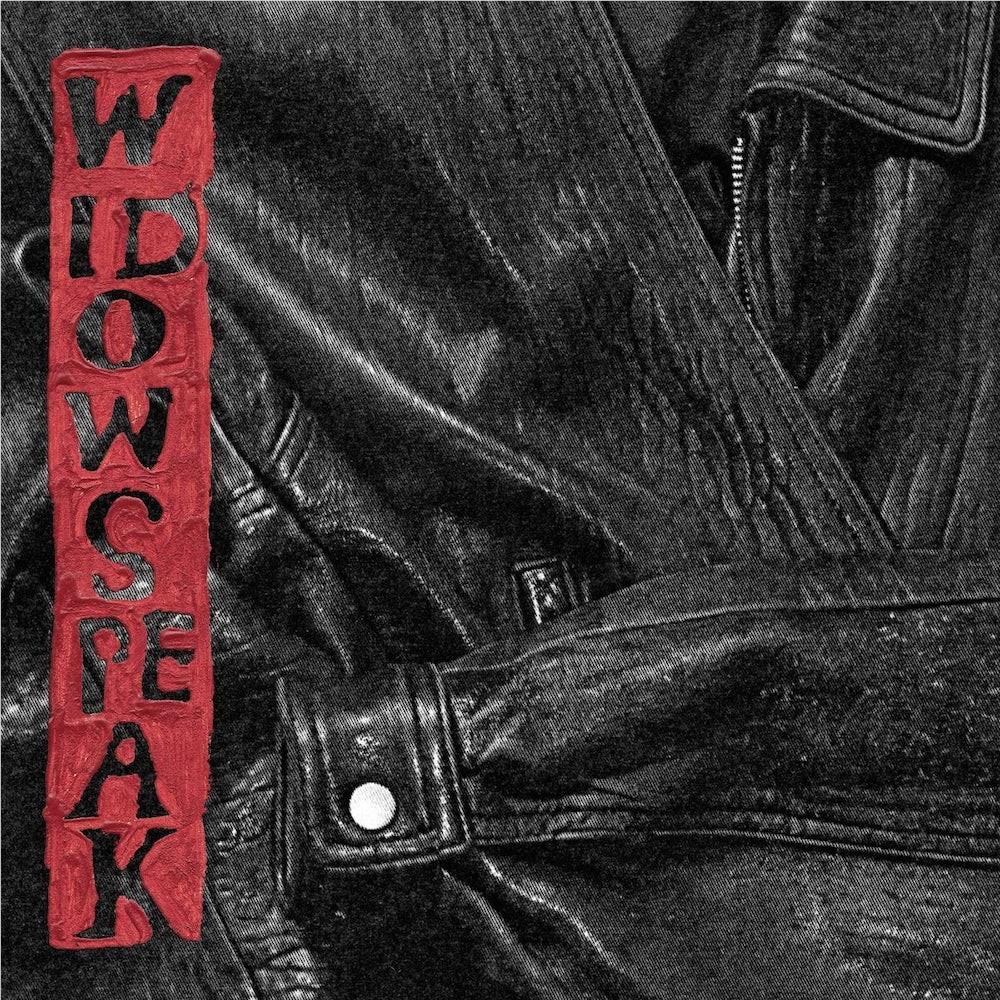
Jacket, The
Widowspeak’s sixth album started out with loose strings of a concept, a story about a fictional band:
A chain-stitcher working in the satin district of an unnamed city, a neighbourhood of storefront tailors devoted to elaborate costumery for country-western, art rock, ye-ye cover bands that populate the street’s bars after dark. The narrator joins one such outfit, “Le Tex” and feels a sense of belonging and momentum, movement beyond what was previously a stable, predictable life. A relationship with a bandmate materialises. Eventually, the group start to write originals. They generate goodwill and momentum, and venture out on the open road seeking new opportunities beyond what the satin district can offer. But the vibrational energy that got things moving is the same that shakes the whole thing apart: the relationship, and the band, disintegrate upon finally reaching their destination, the end of the road. The chain-stitcher heads back to the city, settling back into the rhythm of work, old standards and a familiar place.
Written in the months before and after the release of their critically acclaimed fifth album Plum, The Jacket feels like a full-circle moment for the duo of singer-songwriter Molly Hamilton and guitarist Robert Earl Thomas. Thematically, it considers Plum’s broader questions about the values ascribed to one’s time and labour through the more refined lens of performance and music-making. This is due in part to the band’s recent return to New York City, the site of their own origin story, where they recorded The Jacket at the Diamond Mine with co-producer and noted Daptone Records affiliate Homer Steinweiss. In addition to Hamilton and Thomas on guitars, the album features founding drummer Michael Stasiak, as well as J.D. Sumner on bass, and piano and keyboard contributions from Michael Hess.
The Jacket is a present and comfortable record, imbued with a sense of collective pause and the ease of a band at the top of their game. For all its familiar textures, it still feels entirely fresh within that canon: proudly a guitar record, a rock record, a songwriter’s record. A Widowspeak record.
A chain-stitcher working in the satin district of an unnamed city, a neighbourhood of storefront tailors devoted to elaborate costumery for country-western, art rock, ye-ye cover bands that populate the street’s bars after dark. The narrator joins one such outfit, “Le Tex” and feels a sense of belonging and momentum, movement beyond what was previously a stable, predictable life. A relationship with a bandmate materialises. Eventually, the group start to write originals. They generate goodwill and momentum, and venture out on the open road seeking new opportunities beyond what the satin district can offer. But the vibrational energy that got things moving is the same that shakes the whole thing apart: the relationship, and the band, disintegrate upon finally reaching their destination, the end of the road. The chain-stitcher heads back to the city, settling back into the rhythm of work, old standards and a familiar place.
Written in the months before and after the release of their critically acclaimed fifth album Plum, The Jacket feels like a full-circle moment for the duo of singer-songwriter Molly Hamilton and guitarist Robert Earl Thomas. Thematically, it considers Plum’s broader questions about the values ascribed to one’s time and labour through the more refined lens of performance and music-making. This is due in part to the band’s recent return to New York City, the site of their own origin story, where they recorded The Jacket at the Diamond Mine with co-producer and noted Daptone Records affiliate Homer Steinweiss. In addition to Hamilton and Thomas on guitars, the album features founding drummer Michael Stasiak, as well as J.D. Sumner on bass, and piano and keyboard contributions from Michael Hess.
The Jacket is a present and comfortable record, imbued with a sense of collective pause and the ease of a band at the top of their game. For all its familiar textures, it still feels entirely fresh within that canon: proudly a guitar record, a rock record, a songwriter’s record. A Widowspeak record.
$4.82
Original: $16.07
-70%Jacket, The—
$16.07
$4.82Product Information
Product Information
Shipping & Returns
Shipping & Returns
Description
Widowspeak’s sixth album started out with loose strings of a concept, a story about a fictional band:
A chain-stitcher working in the satin district of an unnamed city, a neighbourhood of storefront tailors devoted to elaborate costumery for country-western, art rock, ye-ye cover bands that populate the street’s bars after dark. The narrator joins one such outfit, “Le Tex” and feels a sense of belonging and momentum, movement beyond what was previously a stable, predictable life. A relationship with a bandmate materialises. Eventually, the group start to write originals. They generate goodwill and momentum, and venture out on the open road seeking new opportunities beyond what the satin district can offer. But the vibrational energy that got things moving is the same that shakes the whole thing apart: the relationship, and the band, disintegrate upon finally reaching their destination, the end of the road. The chain-stitcher heads back to the city, settling back into the rhythm of work, old standards and a familiar place.
Written in the months before and after the release of their critically acclaimed fifth album Plum, The Jacket feels like a full-circle moment for the duo of singer-songwriter Molly Hamilton and guitarist Robert Earl Thomas. Thematically, it considers Plum’s broader questions about the values ascribed to one’s time and labour through the more refined lens of performance and music-making. This is due in part to the band’s recent return to New York City, the site of their own origin story, where they recorded The Jacket at the Diamond Mine with co-producer and noted Daptone Records affiliate Homer Steinweiss. In addition to Hamilton and Thomas on guitars, the album features founding drummer Michael Stasiak, as well as J.D. Sumner on bass, and piano and keyboard contributions from Michael Hess.
The Jacket is a present and comfortable record, imbued with a sense of collective pause and the ease of a band at the top of their game. For all its familiar textures, it still feels entirely fresh within that canon: proudly a guitar record, a rock record, a songwriter’s record. A Widowspeak record.
A chain-stitcher working in the satin district of an unnamed city, a neighbourhood of storefront tailors devoted to elaborate costumery for country-western, art rock, ye-ye cover bands that populate the street’s bars after dark. The narrator joins one such outfit, “Le Tex” and feels a sense of belonging and momentum, movement beyond what was previously a stable, predictable life. A relationship with a bandmate materialises. Eventually, the group start to write originals. They generate goodwill and momentum, and venture out on the open road seeking new opportunities beyond what the satin district can offer. But the vibrational energy that got things moving is the same that shakes the whole thing apart: the relationship, and the band, disintegrate upon finally reaching their destination, the end of the road. The chain-stitcher heads back to the city, settling back into the rhythm of work, old standards and a familiar place.
Written in the months before and after the release of their critically acclaimed fifth album Plum, The Jacket feels like a full-circle moment for the duo of singer-songwriter Molly Hamilton and guitarist Robert Earl Thomas. Thematically, it considers Plum’s broader questions about the values ascribed to one’s time and labour through the more refined lens of performance and music-making. This is due in part to the band’s recent return to New York City, the site of their own origin story, where they recorded The Jacket at the Diamond Mine with co-producer and noted Daptone Records affiliate Homer Steinweiss. In addition to Hamilton and Thomas on guitars, the album features founding drummer Michael Stasiak, as well as J.D. Sumner on bass, and piano and keyboard contributions from Michael Hess.
The Jacket is a present and comfortable record, imbued with a sense of collective pause and the ease of a band at the top of their game. For all its familiar textures, it still feels entirely fresh within that canon: proudly a guitar record, a rock record, a songwriter’s record. A Widowspeak record.